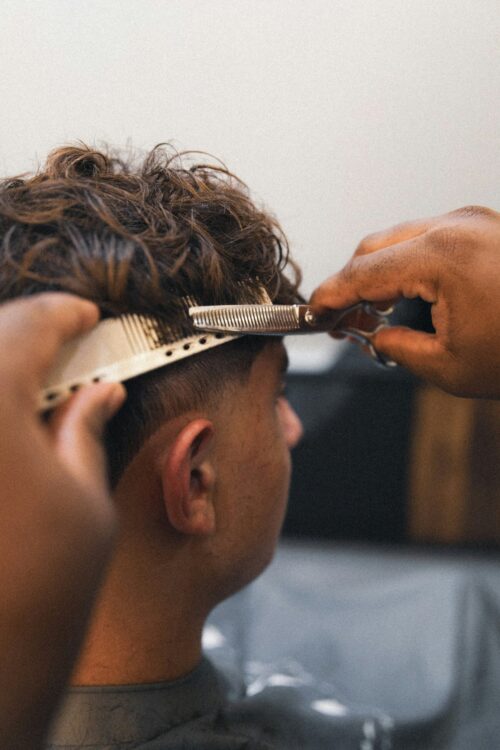
What to Reconsider When Short Hair Is Hard to Tuck Behind the Ears
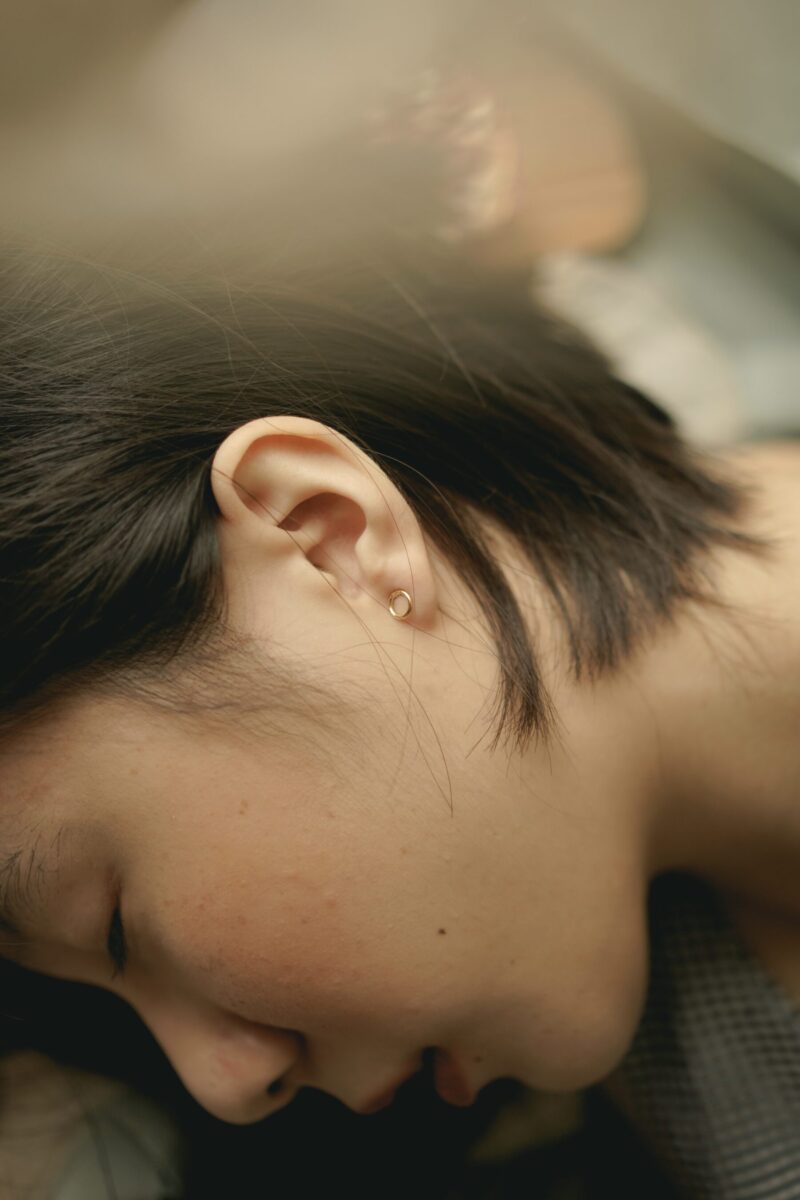
With short hair or a short bob,
have you ever felt:
“I want to tuck it behind my ears, but it keeps falling out,”
“My hair sticks out because of masks or glasses,”
or “It doesn’t stay in place without hairpins”?
A hairstyle that stays tucked behind the ears well
is not created simply by cutting the hair shorter.
What matters is
how the weight and layers are adjusted to match the shape of the ears.
The more often someone tucks their hair behind their ears,
the more daily stress they feel when this balance is off.
Also, because the hair behind the ears is connected visually to the neck,
too much heaviness in this area can make the neck look thicker,
reduce the contrast in the hairstyle,
and sometimes take away from an elegant appearance.
This time,
I’ll explain as simply as possible
what hairstylists look at when creating short hair that is easier to tuck behind the ears.
The Reason Hair Is Hard to Tuck Behind the Ears Is Often “Thickness Around the Ears”
The reason hair is difficult to tuck behind the ears
is not always just because of ear shape or hair length.
One common reason is
too much thickness building up behind the ears.
There is a bone protrusion behind the ears,
so when there is too much hair weight,
the ears cannot support it properly.
As a result, the hair may not follow the shape of the ears well,
may flip outward,
or may fall out more easily.
Especially if:
- You have thick hair
- Your hair tends to spread sideways
- Your head shape tends to look square
In these cases,
simply adjusting the hair volume behind the ears
can greatly improve how easily the hair stays tucked.
The method is not just about thinning the hair.
- Lightly reducing weight inside the area behind the ears
- Using layers to spread out the thickness
- Creating a natural connection from above the ears to behind the ears
By doing this,
the hair becomes easier to keep behind the ears even without hairpins.
Rather than making the hair feel lighter only temporarily,
creating a shape that remains manageable as it grows out
is more important in daily life.
When You Consider Ear Shape, Glasses, and Masks, Hair Becomes Even Easier to Manage
Ears vary from person to person
in both size and angle.
- Small ears
- Ears that sit flatter against the head
- Frequently wearing glasses
- Wearing masks daily
- Wearing larger earrings
These differences
change how easy it is to tuck the hair behind the ears.
For example,
people who wear glasses often experience hair lifting away from the head
because of the thickness of the frames.
In those cases,
making the area around the ears slightly lighter than usual
can make the hair easier to manage.
That is why it is important not only to say,
“I want to tuck my hair behind my ears,”
- but also whether you usually wear glasses
- whether you wear masks often
- which side you tend to tuck your hair behind more frequently
Sharing these details matters too.
Short hair is more delicate than long hair,
and even a few millimeters can change both the impression and manageability.
A hairstyle that is easy to tuck behind the ears
works best when it is created not only for appearance,
but also for your everyday lifestyle.
That usually feels more natural and comfortable in the long run.
“I want to tuck my hair behind my ears, but somehow it never feels right.”
In moments like that,
instead of looking only at the length,
reconsidering the thickness behind the ears
and even your daily habits
may help make your hair much easier to manage.