Are Expensive Hair Dryers and Hair Irons Really Necessary? A Hairdresser’s Thoughts on What Matters More for Beautiful Hair
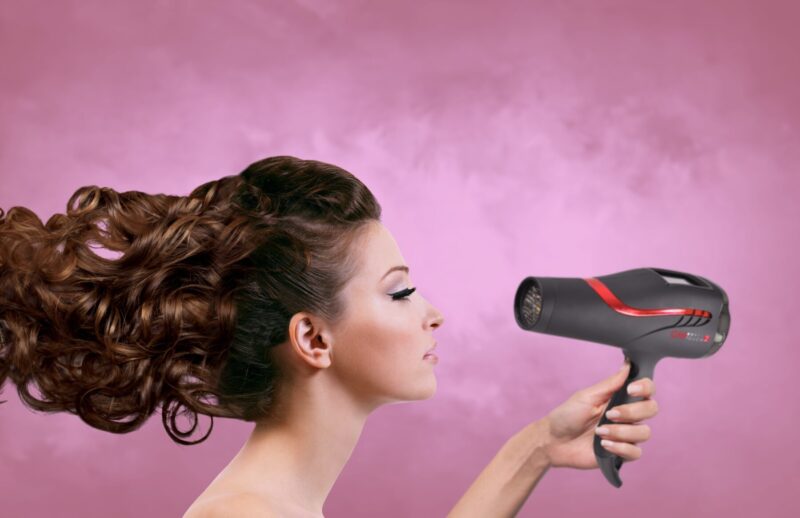
Recently, expensive hair dryers and hair irons costing from tens of thousands of yen to over 100,000 yen have become increasingly common.
You may often see attractive phrases such as “less hair damage,” “the latest technology,” and “salon-quality results.”
Of course, modern hair styling appliances have improved significantly compared to the past. There are many excellent products designed with consideration for hair, such as improved airflow quality and better temperature control.
However, from my experience as a hairdresser who has worked with many different types of hair over the years, I believe that simply using an expensive hair dryer does not guarantee beautiful hair, regardless of how you care for it daily.
Home appliance manufacturers are experts in developing appliances, not specialists in hair and scalp care.
Although their products may incorporate excellent technology, advertising and branding can sometimes make us feel that “the more expensive it is, the better it must be.”
In fact, it is common to see advertisements on platforms like Instagram featuring famous hairdressers promoting expensive beauty appliances.
Before purchasing an expensive beauty appliance, I would like you to reconsider one important thing.
That is your daily shampoo routine.
What Truly Matters Is Your Daily Shampoo Routine and How You Treat Your Scalp
No matter how expensive your hair dryer, hair iron, or curling iron may be, it will not lead to fundamental hair care if your daily shampoo method does not suit your hair and scalp.
The most important aspects of daily care are not complicated.
First, choose a shampoo that contains amino acid-based cleansing ingredients and does not have excessively strong cleansing power.
If the ingredient list contains sulfate-based cleansing agents, they may have strong cleansing power, so people with dry hair or a dry scalp should be cautious.
Also, avoid washing your hair with water that is too hot.
Hot water can cause dryness of the scalp. As a general guide, many people find it comfortable to wash with lukewarm water close to body temperature, around 36–38°C (96.8–100.4°F).
There is also no need to scrub your scalp aggressively with your fingernails while shampooing.
It is enough to spread the shampoo foam over your scalp and gently massage it with your fingertips.
Trying to wash too aggressively in order to remove every bit of dirt may actually lead to dryness and irritation of the scalp.
Furthermore, the ideal washing frequency differs depending on each person’s scalp condition, lifestyle, and skin type.
Some people feel comfortable washing their hair every day, while others with dry skin may benefit from reconsidering their cleansing strength and washing method.
The important point is not to follow a strict rule such as “you must wash your hair every day,” but to choose a method that suits your own hair and scalp condition.
For that reason, it is important to ask your own hairdresser for advice.
Before Investing in Expensive Beauty Appliances, Reconsider Your Daily Habits
The beauty industry continues to create new products and technologies.
Of course, there is nothing wrong with using good products.
However, what is truly important for maintaining beautiful hair is not only expensive machines or luxury products.
Your choice of shampoo.
The temperature of the water.
The way you wash your hair.
Not putting unnecessary stress on your scalp.
I believe that these simple, basic habits have a significant impact on the condition of your hair and scalp over the long term.
This idea will not change no matter how much technology advances.
Before buying an expensive hair dryer, take a moment to review the hair care habits you practice every day.
What is truly important for beautiful hair may be found in surprisingly simple daily routines.